
You didn't come
this far to
stop running.
Whether you're lining up for your first race or chasing a BQ, one thing separates the runners who keep going from the ones who spend every training cycle fighting their own body: strength.
I ran my first marathons
in my thirties without
a second thought.
No strength work, no prehab, no particular plan beyond the miles. It worked — until it didn't.
In my mid-forties the injuries started. Hamstring. Adductor. Soleus. The kind of soft tissue problems that don't sideline you all at once but chip away at your training until you're running scared. Most of it wasn't bad luck. It was muscle imbalances and movement compensations I didn't even know I was making — my body quietly building workarounds for weaknesses I'd never addressed.
So I got serious about strength. And the result — at fifty-five — is that I qualified for and ran the 2023 Boston Marathon. I'm still out there, every week, every mile. That work is what I teach.
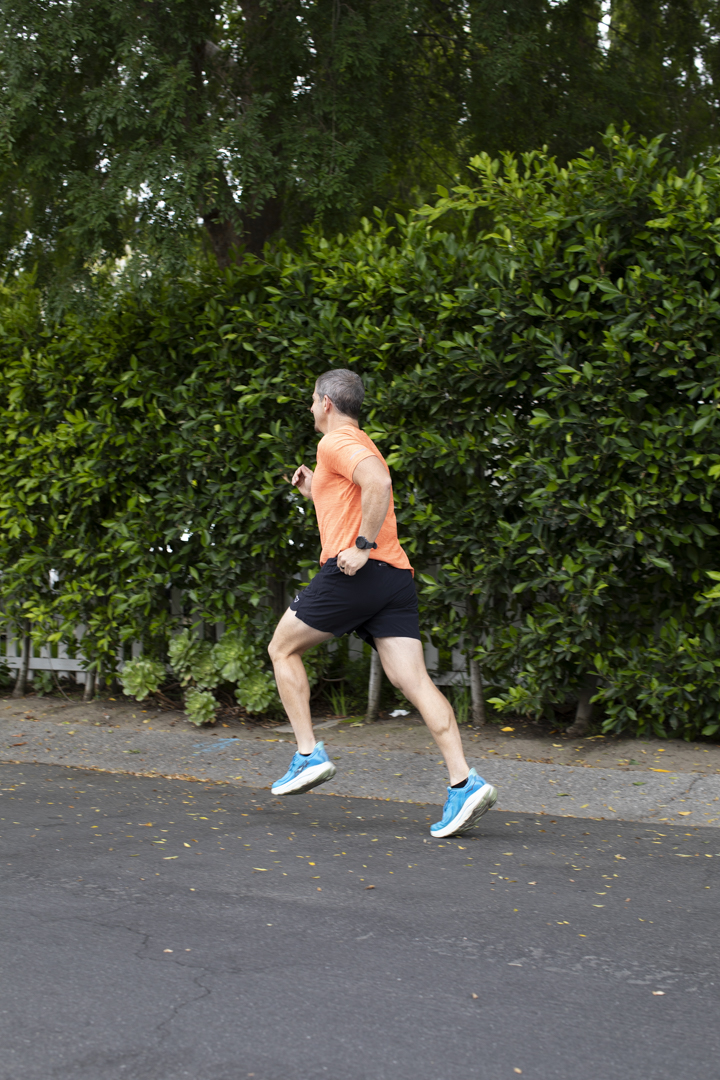
Better movement
under load means better
movement on the road.
Stronger lifts mean stronger economy of movement. Better coordination in the gym means better coordination over miles. The goal isn't to make you a better lifter — though you will be. It's to make you a more complete, more durable, more capable runner.
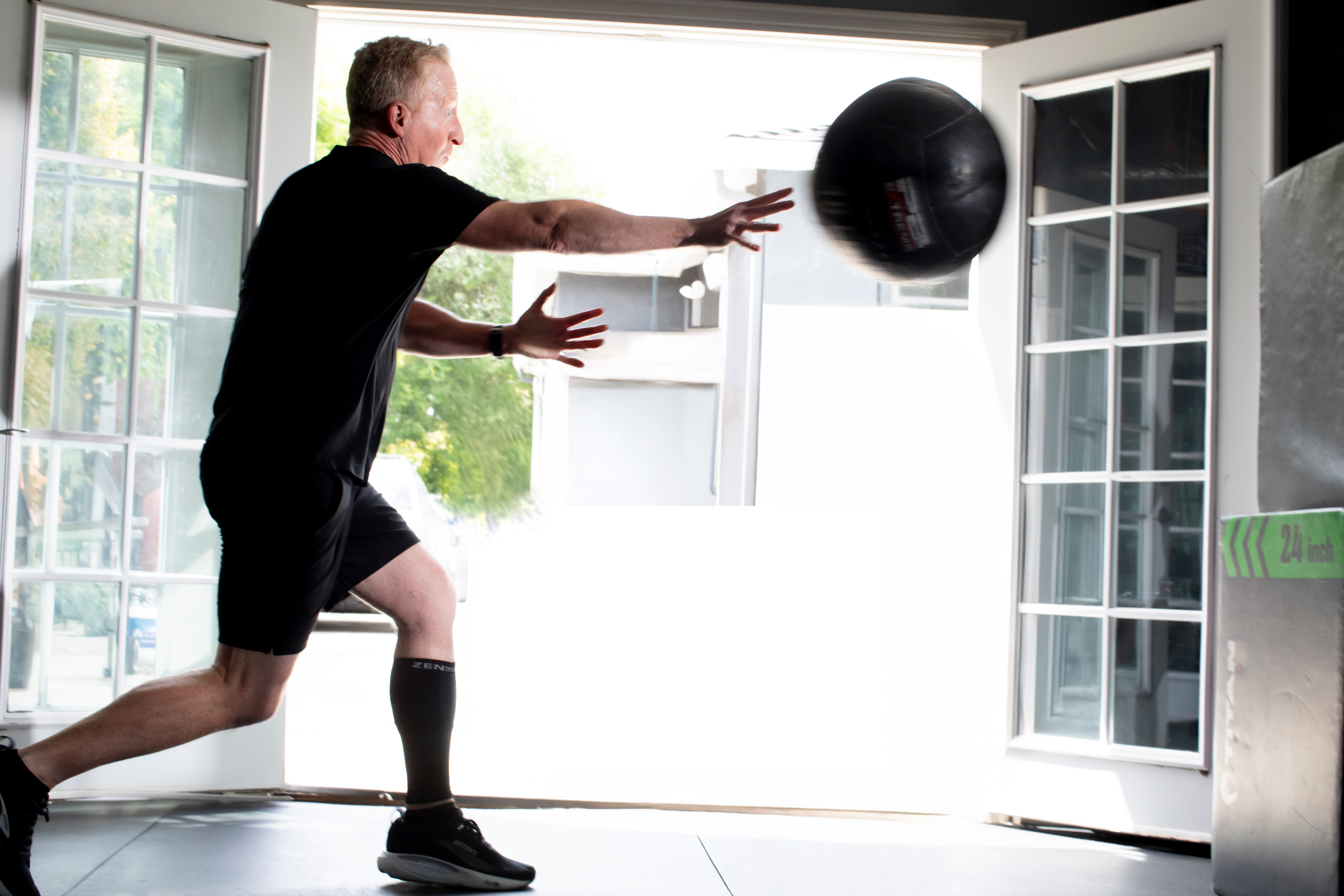
Two ways to work together.
You need more than a training plan off the internet. You need a program built around your life — your schedule, your current fitness, your goal race — and a coach who adjusts it week by week based on what's actually happening.
Every program incorporates your runs, cross-training, and strength work into one cohesive plan. No guesswork. Just a clear, intelligent schedule — with weekly check-ins, race strategy, and real-time adjustments when life or your body requires them.
This is not a cookie-cutter program. Every week is designed around your availability, your health, and where you are in the arc of your training.
Done right, strength training isn't something that competes with your running. It's the reason you get to keep running — and run better.
The foundational lifts — squats, deadlifts, carries — build the structural resilience to handle mileage. The elbow and earlobe work targets the stabilizing muscles most runners skip entirely: glute med activations, single-leg drills, hip and ankle work that addresses the imbalances runners carry for years without knowing it.
Better movement under load means better movement on the road — stronger, more economical, more coordinated running from the first mile to the last.
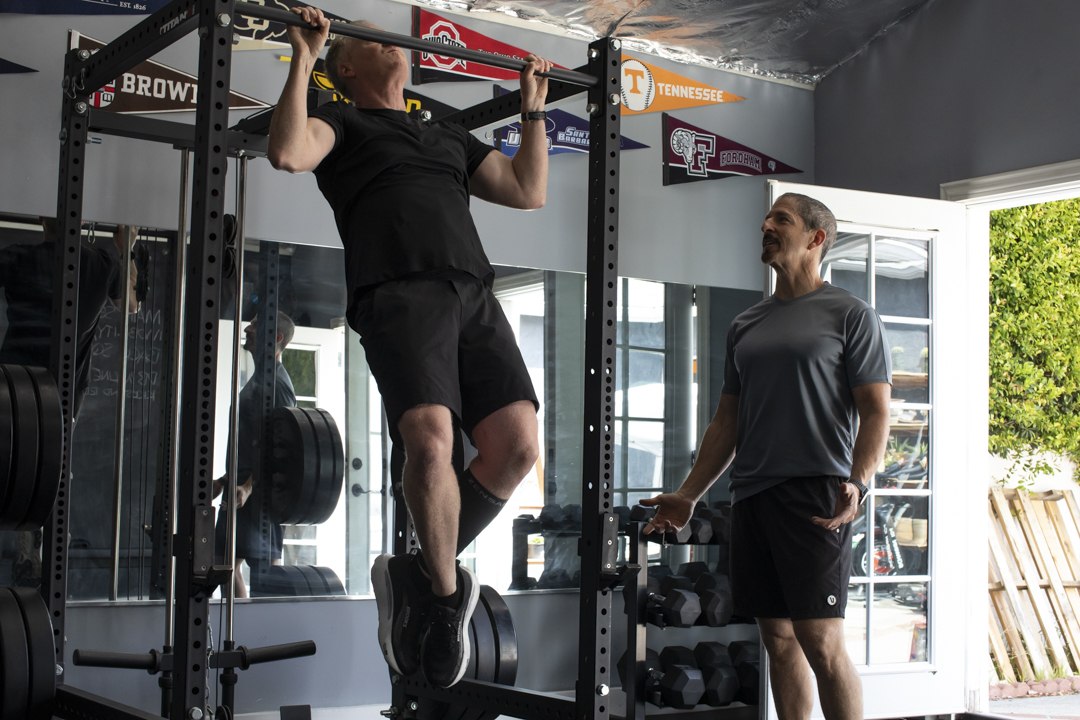
Every kind of runner.
One coach.
You're training for your first race and you want to do it right from the start — with a plan that's built for you, not copied from the internet.
You've been at this a while and you're ready to go faster, run longer, and finally stop getting hurt every time you push the mileage — whether that means a new PR or a BQ.
You're tired of soft tissue injuries that come out of nowhere. You're ready to address what's actually causing them — and get back to running the way you want to.
One coach.
One plan.
No noise.
Reach out and we'll talk about your goals, your history, and what a program built specifically for you would look like. No commitment, no pressure. Just an honest conversation.
Get Started